THE ROAD TO "NET ZERO"
THE BASICS OF BALANCING BUSINESS SUCCESS WITH ENVIRONMENTAL RESPONSIBILITY: NET ZERO GOALS
WHY NET ZERO?
Climate change is the most pressing issue of our time. The effects of global warming are devastating, and European companies are preparing for the resulting challenges. With the Paris Climate Agreement of 2015, companies across Europe have stepped up efforts to reduce gas emissions; this drive in the past two years has accelerated rapidly.
Government action is critical, as favorable regulation can encourage and support emission reduction strategies.
The Intergovernmental Panel on Climate Change (IPCC), in its published reports, confirms the spread, rapidity and intensification of climate change and states that around 3.3-3.6 billion people live in highly vulnerable areas. To limit global warming to 1.5°C above pre-industrial levels, scientists have said we need to bring global gas emissions to zero by 2050.
WHAT ARE THE CONSEQUENCES?
All this means that we have only a short window of time to ensure a livable planet and a sustainable future for all. So, more than ever, global climate action is needed now. The number of countries that are committing to achieving “Net Zero” emissions in the coming decades continues to grow. But, to limit global warming according to the agreements, a complete transformation of the way we produce, transport and consume energy is needed.
WHAT DOES IT MEAN TO REACH A STATE OF “NET ZERO”?
The concept of “Net Zero” describes a state in which the amount of greenhouse gases produced is less than or equal to the amount that is removed or absorbed from the atmosphere. Governments, authorities and companies set themselves “Net Zero” goals every day. An effective and clear communication of this commitment must correspond to the implementation of an action plan that allows the desired and communicated results to be achieved.
For businesses, it means prioritizing eliminating sources of emissions. Only when there is no longer any possibility to eliminate them, companies can take the path of carbon removal technologies.
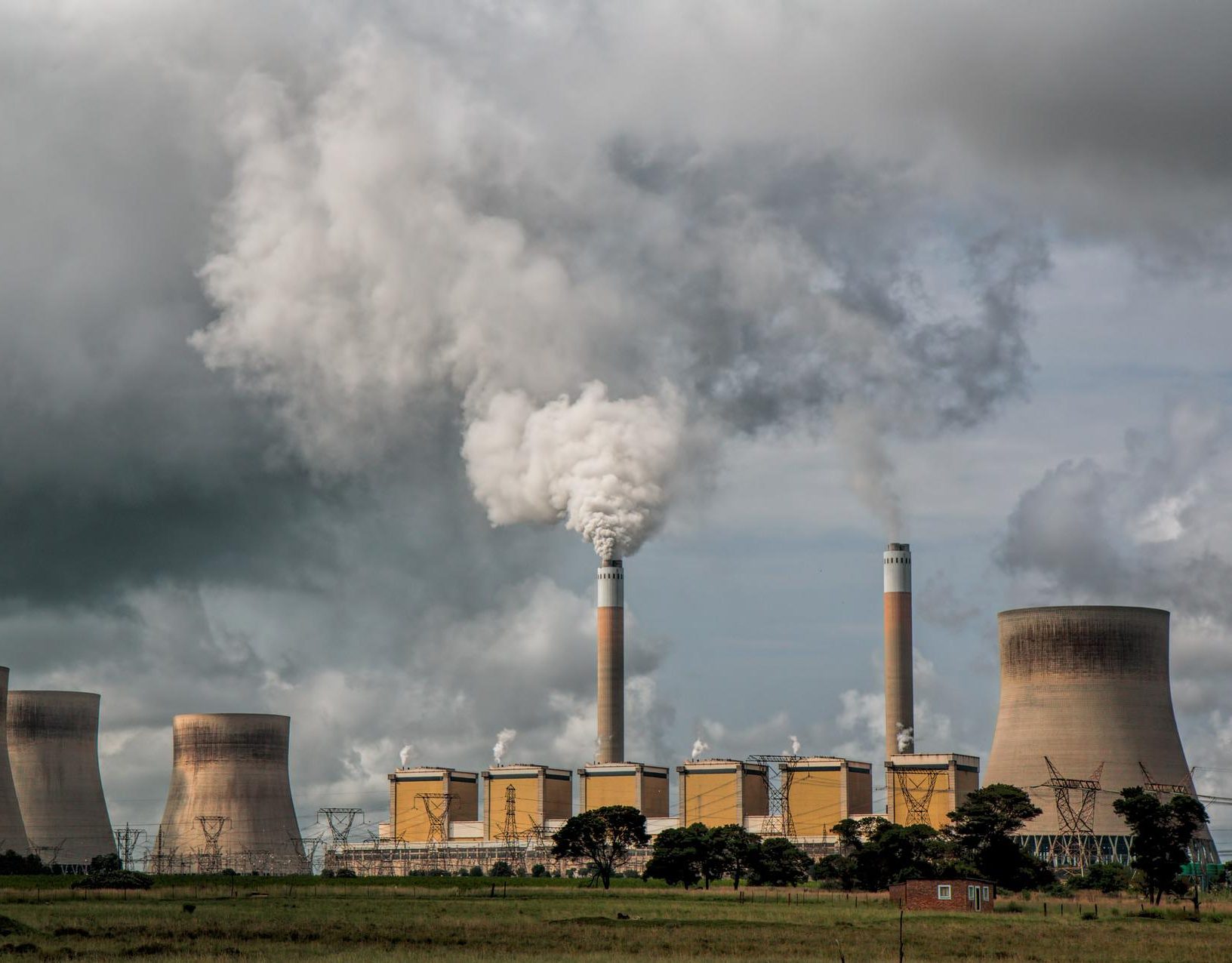
WHAT IS THE DIFFERENCE BETWEEN "NET ZERO" AND "CARBON NEUTRALITY"?
“Carbon Neutrality” is a more dated concept based more on offsetting emissions. Many companies claim to be “Carbon Neutral” already, but people may not know what this neutrality refers to.
At this point consumers might ask: If a company is already “Carbon Neutral,” why are further actions needed? While “Net Zero” refers to a company and its entire value chain, “Carbon Neutrality” can also be claimed for just one product or material.
However, the user or buyer cannot know the extent to which actions have been taken to reduce the absolute emissions of the product or even less of the company itself.
WHAT SHOULD COMPANIES DO?
Most companies that want to achieve Net Zero goals must therefore take a multi-pronged approach. To do so, they must reinvent and invest in more sustainable operations if they are to reduce carbon emissions. This involves an analysis to decarbonize the entire supply chain and end-product use phases.
Unfortunately, few companies are yet taking the first steps to halve emissions in 2030 and then zero emissions in 2050. Many may still believe they have time. However, it must be remembered that it is not at all easy to zero CO2 emissions in one’s own company.
For this reason, several companies that have understood this problem have mobilized early on in moving toward a green transition with four-year and 10-year targets.

HOW CAN IDROELETRIKA HELP?
IdroEletrika supports companies in their ecological transition by providing fully electric cleaning and sanitising systems, contributing to the development of the Net Zero standard in the industrial sector.

ECO – SYSTEM